- FX Rocket Profits' Newsletter
- Posts
- The Peso: Silver That Spanned the Seas
The Peso: Silver That Spanned the Seas

FX Rocket Profits
March 03, 2026
In partnership with


When Weight Became Wealth ⚖️🪙
Did you know the word “peso” literally means weight in Spanish? The nickname traces back to the 16th century, when Spain minted large silver coins called “pieces of eight” (real de a ocho). These coins became the world’s first truly global currency, circulating across Europe, the Americas, and Asia. The cold knowledge here? A simple measure of weight evolved into a currency name that still dominates Latin America today, linking modern pesos to centuries of silver trade and colonial influence.

⚡Cold Knowledge Spotlight – The Peso
Origin: Derived from the Spanish word for “weight,” tied to silver coinage.
Why It Matters: The peso was one of the earliest currencies to achieve global circulation.
Fun Angle: Traders casually say “buy pesos,” a phrase that echoes centuries of maritime trade.
🔥Trading Implications
Pairs to Watch: USD/MXN is the most liquid peso pair, often influenced by U.S.–Mexico trade flows.
Historical Link: The peso’s roots in silver remind us how commodities shaped currency systems.
Opportunity: Understanding nicknames like “peso” helps decode trader chatter and adds historical depth to analysis.

Currency Nicknames & Silver Legacy
Global Trade: How Spanish silver coins became the backbone of commerce from Manila to Madrid.
Colonial Influence: Why the peso name spread across Latin America.
Fun Fact: The “piece of eight” was so widely used that it influenced the design of the U.S. dollar.
This issue reminds us that forex isn’t just about charts — it’s about stories, metals, and the quirky roots of money itself. The peso proves that even a unit of weight can leave a lasting mark on global finance.
Happy Trading!


The best HR advice comes from those in the trenches. That’s what this is: real-world HR insights delivered in a newsletter from Hebba Youssef, a Chief People Officer who’s been there. Practical, real strategies with a dash of humor. Because HR shouldn’t be thankless—and you shouldn’t be alone in it.
Billionaire investors just set 2 all-time records. An asset class most investors never even considered.

How have 70,679 everyday investors joined in on the billionaire’s asset class?
A Klimt painting sold for $236 million—the most expensive modern artwork ever sold at auction.
A Kahlo broke the auction record for a female artist at $54 million.
Obvious outliers, sure, but the 2025 fall auction season signaled the postwar and contemporary art market could be entering a bull run.
Why?
Outpaced the S&P 500 overall with low correlation since ‘95*
Can trade in any global currency
Natural scarcity
Of course, who can afford to spend millions on a painting, right?
But now it’s easy to fractionally invest in art by legends like Banksy and more, thanks to Masterworks.
They acquire it, securitize it, offer shares, and eventually look to sell it.
Net annualized returns like 14.6%, 17.6%, and 17.8% for works held over a year.
See why members have allocated $1.3 billion across 500+ works:
*According to Masterworks data. Investing involves risk. Past performance not indicative of future returns. See important disclosures at masterworks.com/cd.
Your Boss Will Think You’re an Ecom Genius
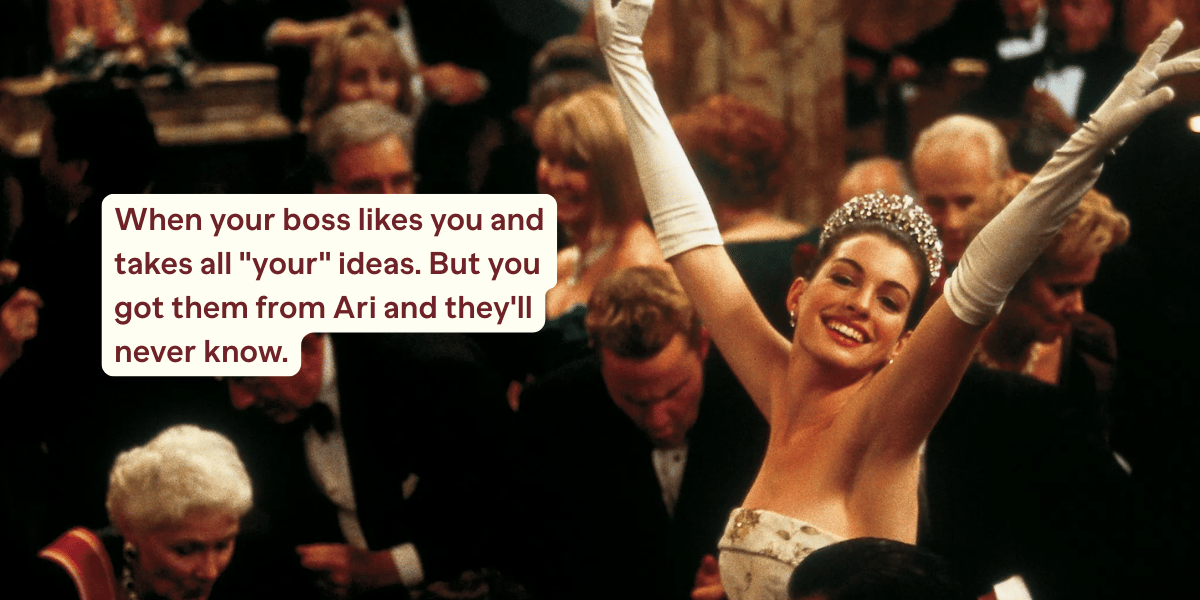
If you’re optimizing for growth, you need ecomm tactics that actually work. Not mushy strategies.
Go-to-Millions is the ecommerce growth newsletter from Ari Murray, packed with tactical insights, smart creative, and marketing that drives revenue.
Every issue is built for operators: clear, punchy, and grounded in what’s working, from product strategy to paid media to conversion lifts.
Subscribe for free and get your next growth unlock delivered weekly.